
Si estás buscando qué ver en Inca, te adelanto una buena noticia: este pueblo mallorquín se disfruta mejor caminando y sin prisas. Inca tiene ese punto de “vida real” que a veces se echa de menos en zonas más turísticas: plazas donde pasa gente del barrio, tiendas de toda la vida, un mercado que le pone ritmo al centro y, sobre todo, una cultura gastronómica con nombres propios: los cellers.
En esta guía te propongo una ruta a pie, con un enfoque muy práctico: qué ver, dónde parar para comer algo auténtico, cómo adaptarlo si vienes con niños y un itinerario de 1 día para que no acabes haciendo un “maratón” sin disfrutar. Vamos a lo importante, con paradas con sentido.
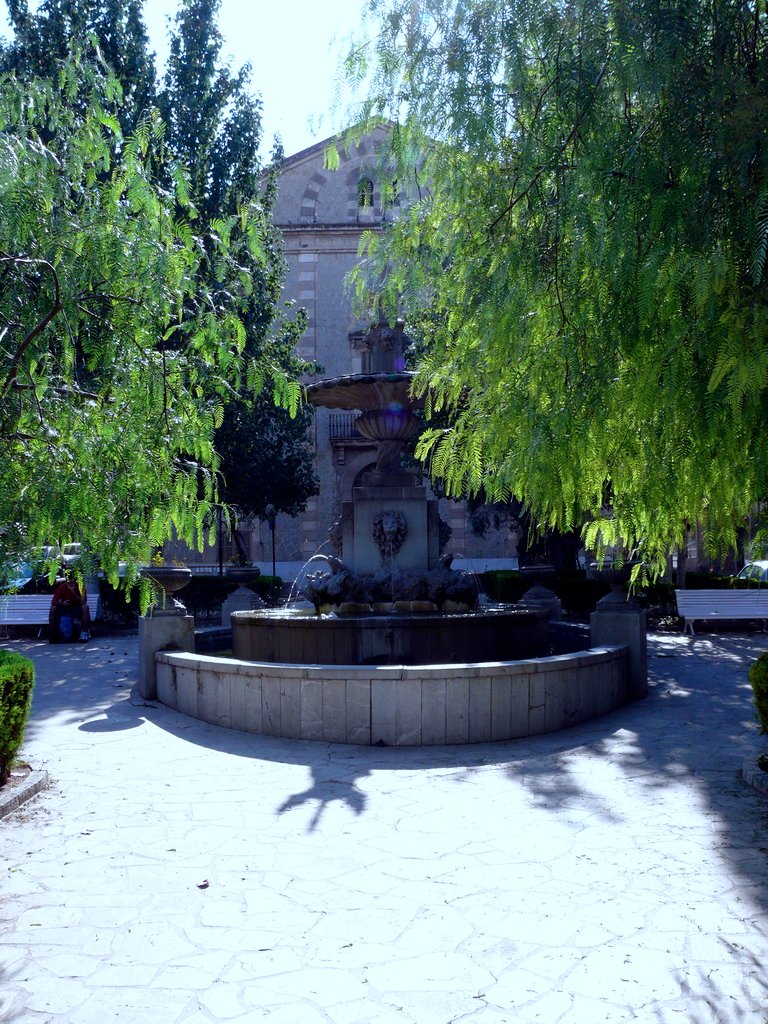
Inca in 10 seconds: Why it’s worth a visit
What kind of place is Inca (and what to expect)
Inca is a perfect plan when you want to experience “interior Mallorca”: a more local, everyday atmosphere, with artisan tradition and a pleasant center for strolling. It’s not a museum village; it’s a place with life, where the charm is often in the mix: architecture, markets, popular culture, and food.
Best time to go and how much time you need
- With 3–4 hours, you can take a compact route (center + key stops + a gastronomic treat).
- With 1 day, you can add a market visit (if it coincides), a cultural visit at a leisurely pace, a post-meal coffee, and a family plan without rushing.
If you want the visit to “shine,” try to go with a stroll mindset: Inca isn’t about ticking off sites, it’s about chaining great moments.
What to see in Inca and getting around without a car
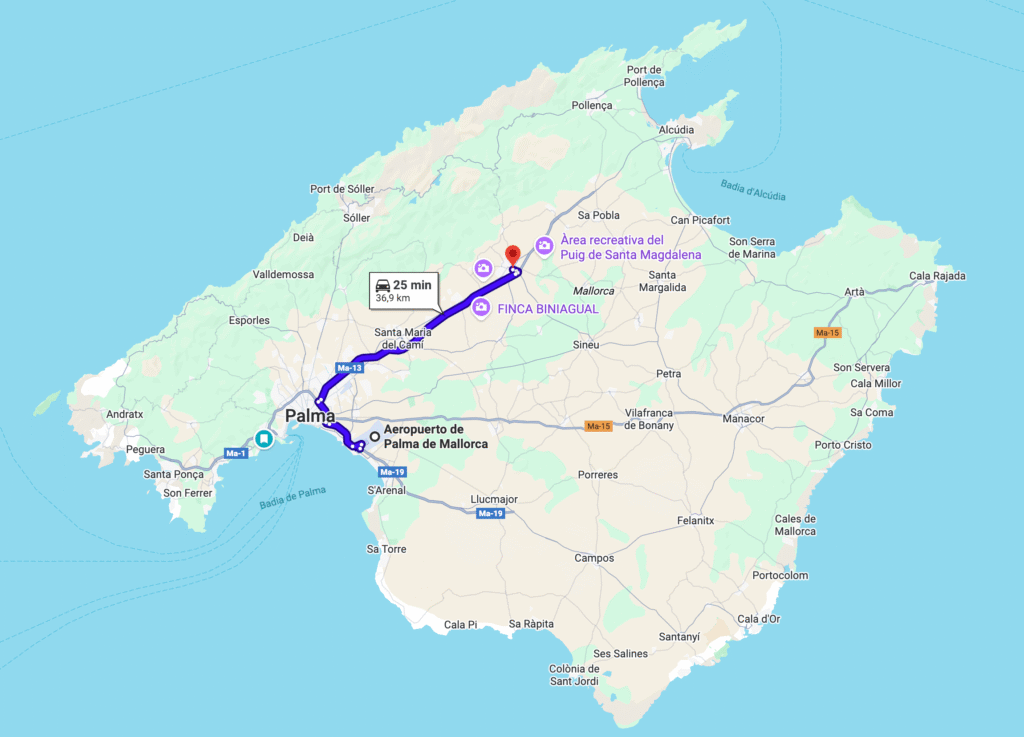
Walking route: how to orient yourself and not miss the best spots
Think of Inca as a circle with the center as your reference point: if you stay in the nucleus (plazas, church, cloister, shopping streets), you’ll see the most interesting things without realizing it. And if you feel like stretching your legs, you can add a themed visit (like a museum or craft route) without deviating from the plan.
What to see in Inca walking: must-sees in the center
Plazas and streets with more life (a “leisurely stroll”)
Start with the more open areas: plazas where you feel the city’s pulse and walking is natural. My recommendation is to take a 20–30 minute warming stroll without a specific goal: look at shop windows, enter a bakery, spot where there’s shade to return later for coffee. It may seem trivial, but it’s the quickest way to “connect” with the place.
If you visit Inca on a Thursday morning, the center changes its energy: there are more stalls, more movement, and more shopping atmosphere. If it doesn’t coincide, no worries: the walk still works, just with less hustle.
Buildings and corners with history (architecture and heritage)
Here are two stops that usually please even those who “aren’t into churches”:
Església de Santa Maria la Major: a baroque-style temple and a square that invites you to stop for a while. If you want to enter, do it like someone coming to cool off and look around calmly, not as a chore.
Claustre de Sant Domingo: one of those spaces that surprises because it changes your pace. It’s ideal for a quiet break: when you enter, the street sounds stay outside and everything becomes slower.
Route tip: alternate a “look” stop (architecture) with a “live” stop (plaza/market/café). This alternation makes the visit more well-rounded.
Short “photo” stops that aren’t tourist traps
In Inca, the most beautiful photos often come from the everyday: a street with trees, a lively terrace, a well-set-up market stall, a façade with shutters… There’s no need to chase “the famous photo.” If you stroll with curious eyes, the town makes it easy for you.
Inca gastronomic: cellers, flavors, and local products
What’s a “celler” and how to experience it properly
A celler is not just “a place to eat”: traditionally, it was a space connected to wine, pantry items, and homemade food meant to share. Today, many operate as restaurants with that Mallorcan spirit: tables designed for groups, shared plates, and that feeling of “this is where you come to eat for real.”
How to make the most of it without getting it wrong:
- Go with moderate hunger (to enjoy), but not in a rush.
- Order to share, even if it’s just the two of you: the experience changes.
- Ask for the dish of the day or what’s typical in the house.
What to order:
Without committing to a fixed menu, these ideas usually fit well if you want something local:
Pa amb oli well made (with good olive oil, tomato, and cured meats).
A traditional spoon dish or homemade cuisine if available (and if the weather calls for it).
Typical vegetables and stews (when done well, they’re a “yes” for sure).
Something sweet to finish (Mallorca has a serious relationship with afternoon snacks).
If you’re with kids, the trick is not to “search for kid-friendly food,” but order a couple of neutral dishes (bread with tasty things, omelet if available, grilled items) and add an option for the adults with more personality. Everyone’s happy.
Typical products to bring back
If you like returning from a place with an edible souvenir (the best kind of souvenir), Inca is a great spot to buy:
- Cured meats and local products (always ask about preservation if you’re traveling).
- Bakery/pastry for the way back.
- A market treat (olives, nuts, etc.) if it coincides with your visit.
- The key here is not to buy “just to buy”: choose 1–2 things that you genuinely want to use/share later.
Plan with kids in Inca: easy, practical, and drama-free
Parks, open spaces, and high-energy plans
With kids, Inca works well because the plan is about strolling and short stops. Prioritize plazas and spacious areas where they can move around without you constantly stressing. Alternate:
- 20–30 minutes walking
- 10 minutes of “free break”
- a snack or drink stop
“Kid-friendly” stops: snacks, ice creams, and breaks
Don’t underestimate the power of a strategic snack. An ice cream in time (or a local pastry) can save the second half of your day. And if it’s hot, look for a pleasant indoor spot (church, cloister, museum) to slow down without “stopping the plan.”
Mini-family route in 2–3 hours
- Gentle stroll through the center + main square
- Short cultural stop (cloister or church)
- Snack + relaxed walk
It’s simple, but it works. And the best part: no car or complicated logistics required.
Recommended itinerary: Inca in 1 day
Morning: cultural stroll + market if it coincides
Start early to avoid the heat and crowds.
If it’s market day, do it first (when it’s liveliest).
Then move on to the cultural part: church + cloister, with short pauses.
Midday: meal at a celler + leisurely post-meal
Make midday the highlight. In a good celler, the plan is not “eat and leave”: it’s eat, chat, try something new, and leave without rushing. If you’re with kids, make the post-meal short but enjoyable: a shared dessert and done.
Afternoon: light stroll + family plan + local shopping
A shorter stroll (20–40 min) to digest.
Small local shopping (something edible or a useful souvenir).
If you want, add a museum or themed visit as a close.
Common mistakes when visiting Inca
Going without checking market day
If you’re craving atmosphere and stalls, check what day the weekly market falls on and plan around it. If it doesn’t coincide, adjust expectations: the plan will be more of a peaceful stroll (which has its charm too).
Eating “anything” and missing out on the authentic experience
Inca has a gastronomic personality. If you’re eating out, try to make it part of the plan, not a “patch.” A decent celler will change your memory of the day.
Trying to see everything in sprint mode
Inca is best enjoyed at a human pace. Better 6 stops with a good experience than 15 “views” without feeling anything.
Quick checklist: your visit to Inca without a car
Before leaving
Comfortable shoes (yes, even if it’s “just a stroll”)
Water + cap if it’s hot
Check if it’s market day
Have a plan B for indoors (cloister/museum)
During the route
Alternate walking + stopping (your energy will thank you)
Buy 1–2 local items with intention (not on impulse)
If you’re with kids: snack halfway, not at the end
If you’re with kids
Plan in short blocks (20–30 min)
“Free” stop in a plaza/park
A strategic sweet treat
Frequently asked questions about what to see in Inca (FAQ)
- Can Inca be visited in one day?
Yes. In fact, Inca is ideal for a 1-day getaway: stroll, market if it coincides, cultural stops, and a good lunch. - What to see in Inca if I only have 2–3 hours?
Center + main square + one cultural stop (cloister or church) + a quick snack. It’s a compact and much appreciated plan. - Is it worth going to Inca if it’s not Thursday (market day)?
Yes. The market adds to the experience, but Inca can also be enjoyed with a peaceful stroll, a celler, and its cultural corners without too many people. - Is Inca a good option for going with kids?
Yes, because it’s walkable and allows for frequent stops. The key is organizing it in short blocks and adding a snack/break in the middle. - What do you recommend buying as a typical souvenir?
Better something useful: an edible local product (cured meat, bakery) or a small market treat if it coincides. - Do I need a car to get around Inca?
For the center, no. You can do a complete visit on foot, and use public transport to arrive/leave.