Mallorca receives millions of visitors every year. Most arrive with a similar list: Palma, Formentor, Valldemossa, Port de Sóller. They are magnificent destinations, yes, but they are also overcrowded destinations. What very few tourists know is that, a few kilometers away from the most photographed spots of the island, there are places that preserve all their authenticity and have hardly any influx of visitors.
This article is a practical guide for those who want to go beyond the usual circuit. If you are interested in getting to know the real Mallorca, the one lived by its inhabitants, the one that does not appear in the brochures of conventional agencies, read on.
The interior of the island: the Mallorca that few tourists visit
Most tourism in Mallorca is concentrated on the coast. This leaves the interior virtually uncrowded for much of the year, making it the ideal territory for those seeking authenticity.
The Pla region, in the center of the island, concentrates some of the most genuine villages of Mallorca. Sineu, for example, is known for its Wednesday market, one of the oldest on the island, where local producers sell fruits, vegetables, cheeses and Mallorcan sausages directly. No souvenir stalls, no groups of tourists with headphones: just a real market.
Petra is another of those towns that deserves a stop. It is the birthplace of Fray Junípero Serra, the Mallorcan missionary who founded the California missions in the 18th century. The museum dedicated to his figure and the quiet streets of the village offer a historical perspective of Mallorca that very few travelers get to know.
Coastal corners far from mass tourism
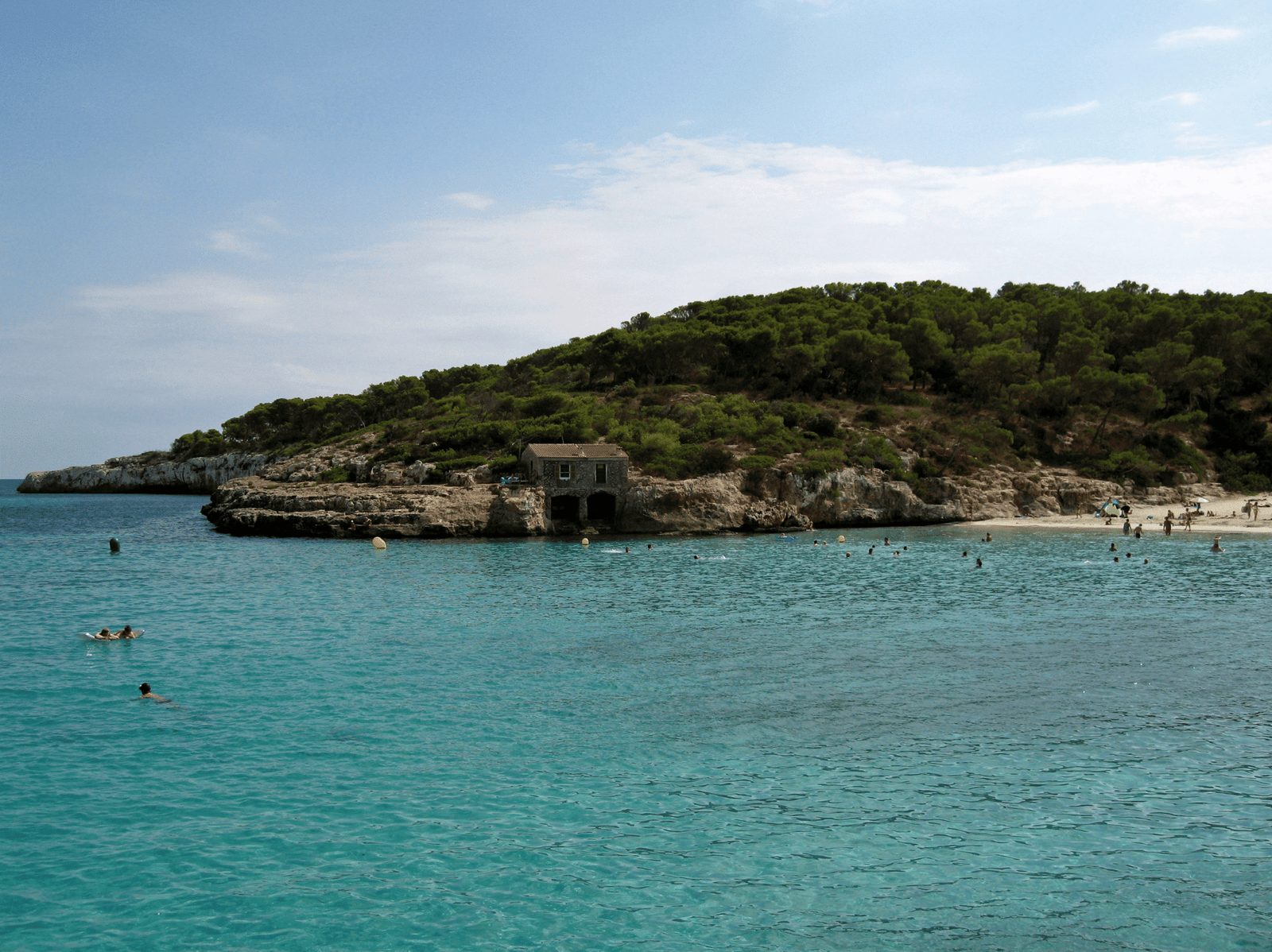
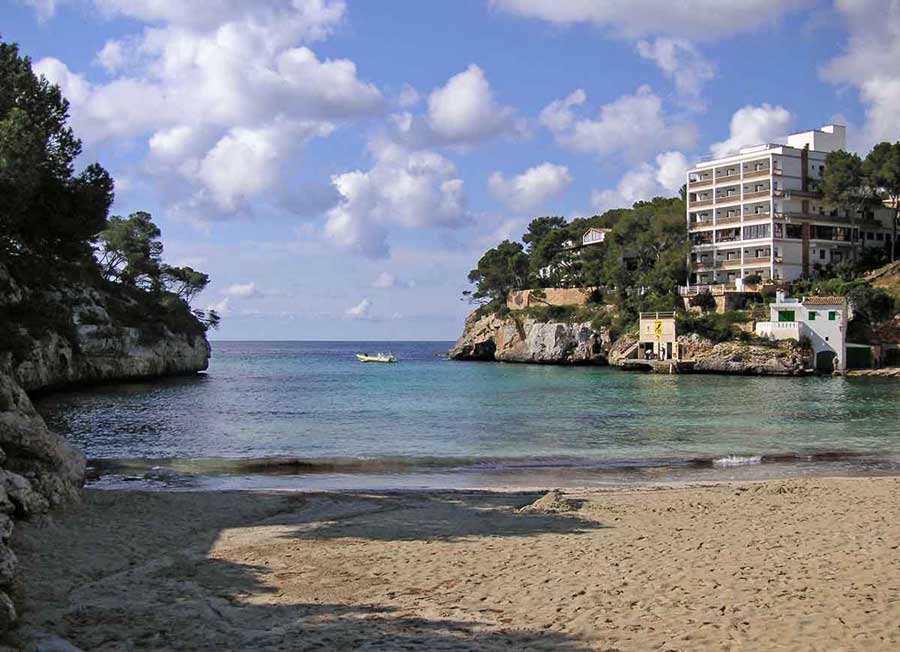
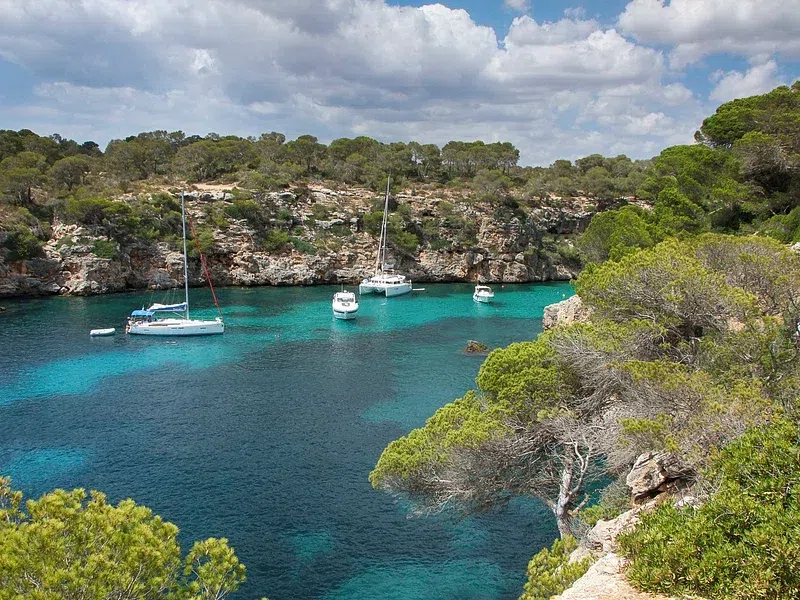
Although the coast of Mallorca is highly exploited for tourism, there are still coves and stretches of coastline that require an extra effort to reach and that, precisely for this reason, remain almost virgin.
The northern part of the island, beyond Cape Formentor, hides beaches accessible only on foot or by boat. Cala Figuera, in the municipality of Alcúdia, or the cliffs of the north coast between Cap des Pinar and Colònia de Sant Pere are examples of a wild coastline that contrasts radically with the fine sand beaches and beach bars in the south.
The Llevant area, at the eastern end of the island, also holds surprises. Many travelers pass through this area on their way to the Cuevas del Drach or the Cuevas dels Hams without stopping to explore the surroundings. However, the coast between Cala Millor and Cala Ratjada has stretches of great natural beauty and fishing villages such as Canyamel that preserve a slow and authentic rhythm of life.
Villages of the Serra de Tramuntana: beyond Valldemossa and Sóller
The Serra de Tramuntana is a major part of inland cultural tourism in Mallorca. Valldemossa and Sóller are its big stars, and deservedly so: a visit to Valldemossa with a tasting at Macià Batle or a tour of Sóller and the Port of Sóller are first class experiences. But the sierra has many more villages that almost never appear in conventional travel guides.
Fornalutx, a few minutes from Sóller, has been repeatedly chosen as one of the most beautiful villages in Spain. Its cobbled streets, its stone houses with wooden balconies and the silence that surrounds it out of high season make it a destination that surprises with its quiet beauty. The influx of visitors, compared to Sóller, is minimal.
Estellencs and Banyalbufar are two other names that appear little in the tourist itineraries and much in the memory of those who visit them. Both overlook the coast from the foothills of the mountains, with terraces of cultivated terraces that fall towards the sea and a lively village atmosphere, with traditional bars and neighbors who still know each other.
On this same route, Son Marroig, the former residence of Archduke Luis Salvador, is an essential stop to understand the cultural history of the mountain range. The private tour Sóller and Son Marroig: A Legacy of Culture and Views combines these elements in an ideal way for those who want to delve deeper into this area of the island.
Local markets: the agenda of Mallorcans
One of the most direct ways to connect with the authentic Mallorca is to go to its weekly markets. Not the tourist-oriented artisan markets, but rather the food markets that have been in operation for decades and where locals do their weekly shopping.
Each municipality has its own day. In addition to the aforementioned Sineu market on Wednesdays, Inca’s market on Thursdays, the largest on the island in volume, and Pollença’s market on Sundays stand out. The latter, located in the main square of the town, combines local food stalls with quality crafts and a lively atmosphere that makes it one of the most recommended experiences in the north. The Formentor – Market tour allows you to combine the visit to Cape Formentor with this market in the same day.
Local gastronomy: where Mallorcans eat
Tourism has brought to Mallorca restaurants of all kinds and conditions. But if you want to taste the real Mallorcan cuisine, you have to know where to look. The cellers are the most representative of the island’s traditional gastronomy: old warehouses converted into restaurants where dishes such as frit mallorquí, arròs brut, tumbet or llom amb col are served. There are cellers in almost all the inland villages, but those in Inca, Sineu and Consell have a special reputation among the locals.
Ensaïmada, pa amb oli and sobrassada are the three most recognizable Mallorcan products. But the island has a much wider tradition of production: extra virgin olive oil with denomination of origin, wines with their own character, Mahón cheese that is found on many local tables, almonds and carobs that are still cultivated in the interior. Getting to know these products first hand, visiting producers or wineries, is a form of tourism that is increasingly valued and that connects directly with the territory.
How to organize a visit to the lesser-known Mallorca
Discovering the authentic Mallorca requires planning. Public transport on the island is limited outside the main axes, which means that many of these corners are difficult to reach without your own vehicle or without an organized transport service.
Private tours are, in this context, a particularly practical solution. They allow access to places that are not on the usual circuits, adapt the itinerary to the interests of each traveler and have the guidance of someone who knows the island in depth. A private tour of Palma can be the perfect starting point to understand the capital before going inland, or a combination such as the Palma – Valldemossa tour can serve to contrast the city with the mountains in a single day.
For those who prefer to have an overview of the island before deciding which areas to explore in more detail, the Island Tour is the most complete option: a panoramic tour that allows you to identify the corners that deserve a more leisurely visit at another time of the trip.
Authentic Mallorca: it exists, but you have to know how to look for it.
The less touristic Mallorca is not hidden in the literal sense. It is there, accessible, waiting for those who decide to go off the beaten track. What it does require is curiosity, some planning and, in many cases, the help of those who know the island well.
At Top Tours Mallorca we have been showing our clients a version of the island that goes far beyond the postcards. If you want a different trip, with experiences that you will really remember, check out our excursions and private tours. The authentic Mallorca is closer than you think.