
When people talk about Mallorca, they usually focus on the coast. However, the island’s true character is best understood when you venture inland. Manacor is a prime example of this.
Far from being a town designed for quick tourism, Manacor retains its own unique identity, marked by local life, tradition, and a natural environment that seamlessly blends countryside and sea.
If you’re looking for what to see in Manacor, this guide will help you discover the town from a realistic and comprehensive perspective: what to visit, how to get around, and why it deserves a quiet stop on any Mallorca itinerary.
Where is Manacor and why is it worth a visit?
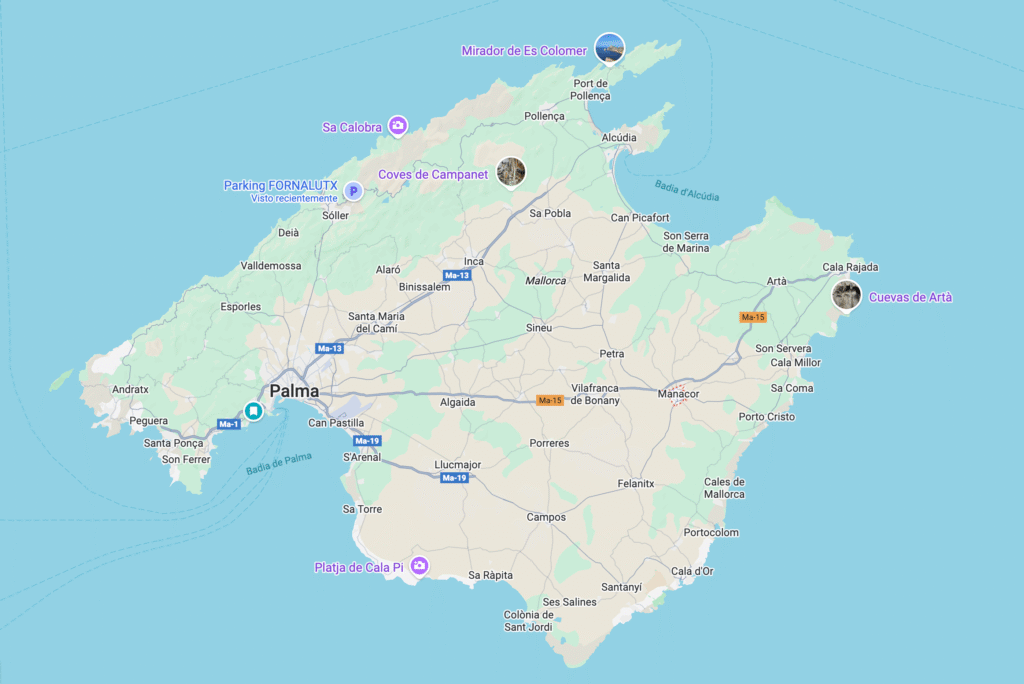
Manacor is located in the eastern part of Mallorca and is one of the largest municipalities on the island. This means that it encompasses not just an urban center, but a large territory that includes rural areas, small coastal villages, and a wide variety of landscapes.
Historically, Manacor has traditionally been an agricultural and commercial center. This heritage is still evident today in its unhurried pace, its markets, and the way the town interacts with its surroundings. It’s not a place for a quick visit, but rather for understanding the Mallorca that thrives year-round, far removed from the seasonal tourist boom.
Manacor’s historic center: what to see while walking
Manacor’s historic center is compact and easy to explore on foot. It doesn’t impress with grand monuments, but rather with the coherence of its layout and the feeling of a vibrant village it conveys.
Church of Our Lady of Dolors
This church is Manacor’s main architectural landmark. Its imposing bell tower dominates the town’s skyline and serves as a constant point of reference. The interior reflects the typical simplicity of many Mallorcan churches and allows one to understand the significant role religion has played in local history.
Palace Tower
The Palau Tower is one of the oldest vestiges of the town. Although today it blends discreetly into the urban environment, it represents Manacor’s medieval past and recalls its historical importance as a defensive and administrative center.
Plaça del Rector Rubí and nearby streets
This area is the heart of daily life. Here, neighbors mingle with small bars and traditional shops. It’s the perfect place to stop, sit on a terrace, and observe the town’s daily rhythm at a leisurely pace.
Markets and local life: the most authentic Manacor
One of Manacor’s greatest attractions is its strong connection to local life, something that is especially noticeable in its markets and local shops.
Manacor Weekly Market
The Manacor market is one of the largest in eastern Mallorca. It’s not just a market for tourists, but a regular meeting place for residents. Strolling through its stalls offers a chance to discover local products, learn about consumption habits, and experience the true atmosphere of the town.
Crafts and traditional trade
Manacor has historically been linked to crafts and local production. Although many things have changed, you can still find family-run shops and traditional businesses that are part of the town’s identity and help to understand its economic and social evolution.
Nature and surroundings of Manacor
Beyond the urban center, Manacor offers a very varied natural environment that connects with rural Mallorca.
Caves and nearby natural formations
In the area surrounding the town are several well-known caves that showcase the characteristic underground landscape of this part of the island. They are a great option to complement a visit to the town and discover another facet of the region.
Rural roads and inland landscape
The roads surrounding Manacor wind through fields, traditional farms, and past dry stone walls. They are ideal for strolling, leisurely walks, or simply driving without a fixed destination and letting the scenery captivate you.
Beaches and coves near Manacor that you can’t miss

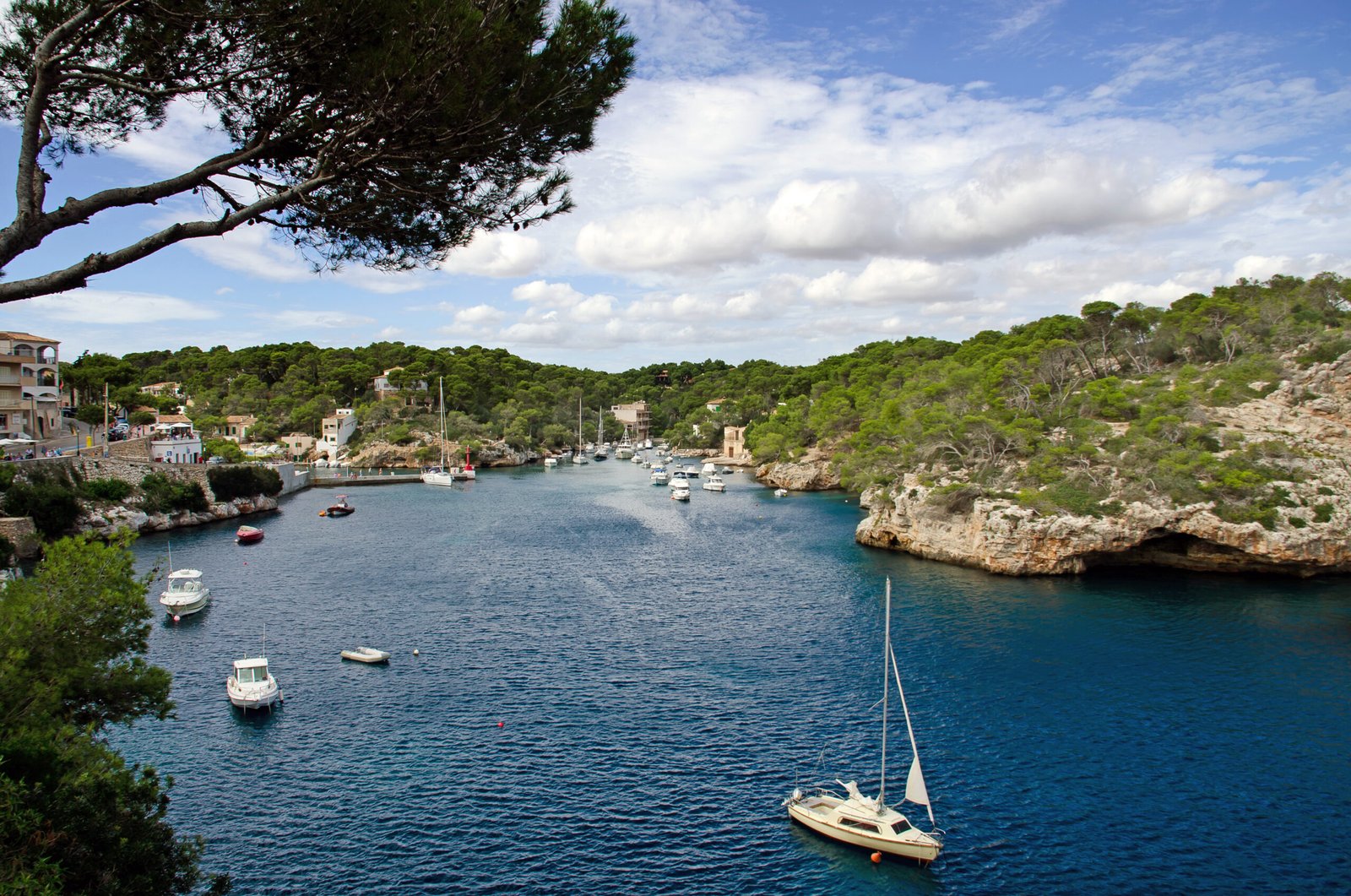
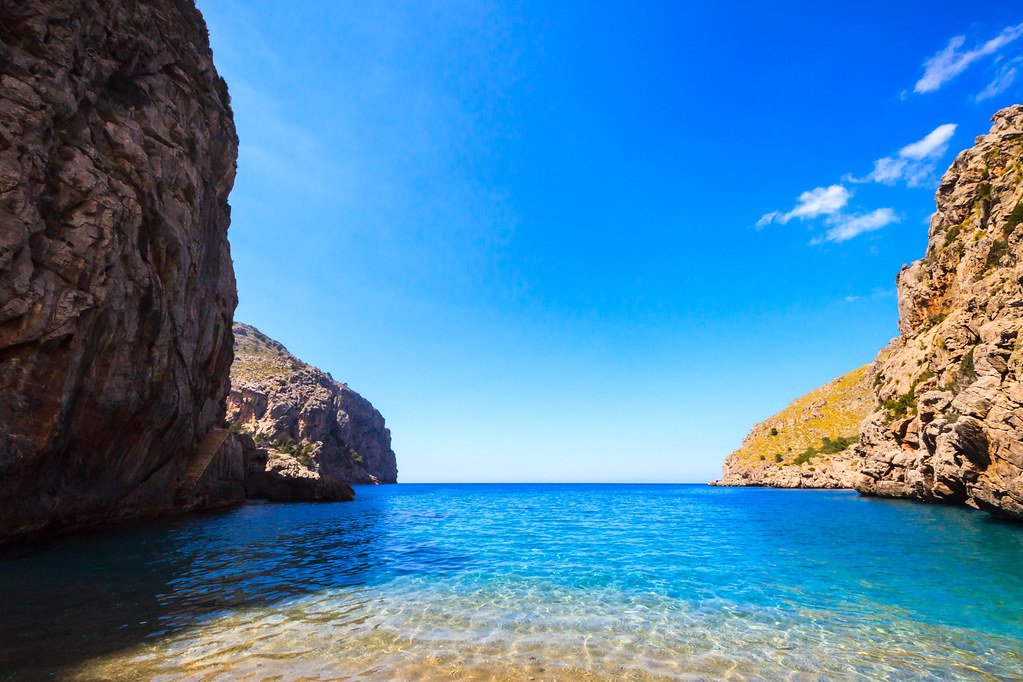
Although Manacor is not a coastal town, its municipality has several kilometers of coastline and access to well-known coves in eastern Mallorca.
Most famous coves
Some coves stand out for their easy access and basic services, making them a convenient option for those looking to combine inland and sea in the same day.
Less crowded coves
Other coves require a bit more walking or are reached via less obvious paths. In return, they offer a more tranquil environment and a closer connection to nature.
What to see in Manacor depending on your type of trip
Manacor can be adapted to different types of travelers if approached with realistic expectations.
- Family trip: short walk through the center, market and quiet areas.
- Couple’s getaway: historic center, rural paths and a nearby cove at the end of the day.
- Day trip: city center in the morning and natural surroundings in the afternoon.
When to visit Manacor and practical tips
The best time to visit Manacor is spring and autumn, when temperatures are mild and easy to walk around. In summer, the heat makes it ideal to combine a visit with a trip to the coast.
A key piece of advice is not to try to “see everything.” Manacor is best enjoyed when explored at a leisurely pace and without a fixed list of must-sees.
Common mistakes when visiting Manacor
- Thinking that it’s not worth it because it’s not a classic tourist destination
- Limit the visit to the city center only.
- Not exploring its rural and coastal surroundings
- Comparing it to monumental towns instead of understanding its own identity
Practical checklist: what to see in Manacor
- ✔ Take a stroll through the historic center
- ✔ Visit the main church
- ✔ Discover the Palau Tower
- ✔ Explore the local market
- ✔ Explore rural roads
- ✔ Combine the visit with a nearby cove
Frequently asked questions about what to see in Manacor
How long does it take to see Manacor?
Between half a day and a full day, depending on whether the surrounding area is visited.
Is Manacor a tourist destination?
It’s more local than touristy, and that’s one of its greatest virtues.
What to see for free in Manacor?
The historic center, squares, markets and rural walks.
Is Manacor worth visiting if I’m staying on the coast?
Yes, especially to discover a different side of Mallorca.
What to see in Manacor and the surrounding area in one day?
Historic center, market and a cove of the municipality.
Manacor, the Mallorca that doesn’t need a show
Manacor doesn’t try to attract attention, but it offers something many destinations have lost: authenticity. It’s a place to discover little by little, helping you understand what Mallorca is like beyond its most famous beaches.